

Rome.us
  • TAXI FARES CALCULATOR
  • BOOK PRIVATE TOUR
  • ABOUT US
  • HOW TO GET
    • Fiumicino Airport
    • Ciampino Airport
    • Termini Railway Station
    • Public Transport
    • To Venice
    • To Florence
    • To Ostia Antica
    • To Naples
    • To Milan
    • To Pisa
    • To Siena
  • TIPS
    • TOP Attractions
    • Tickets to Vatican museums
    • Rome Three Day Itinerary
    • Rainy Days in Rome
    • Buying a Sim Card in Italy
    • Renting a Car in Rome
    • Apps for Tourists
    • Free Things to Do
    • Unusual Things to do
    • ASK US
    • Instagram
    • Pinterest
  • ANCIENT SITES
    • Castel Sant’Angelo
    • Colosseum
    • Pantheon
    • Roman Forum
  • WHERE TO STAY
    • How to Choose a Hotel in Rome
    • Hotels with Best Views
    • Hotels near Termini
    • Hotels near the Colloseum
    • Best Hostels
    • Hotels near Navona Square
    • 3 Star Hotels
    • 4 Star Hotels
    • 5 Star Hotels
    • Apartments For Rent
  • VATICAN CITY
    • St Peter’s Basilica
    • Sistine Chapel
    • Vatican Museums
    • Raphael’s Rooms
    • Michelangelo’s Pieta
    • St Peters Dome
    • St Peter’s Square
    • Vatican Military
    • Swiss Guard
    • Pilgrims of Hope Jubilee
  • MUSEUMS
    • Ara Pacis Augustae
    • Borghese Gallery
    • Capitoline Museums
    • Caravaggio’s Paintings
    • Great Synagogue
    • Palazzo Farnese
    • Spada Gallery
  • PARKS
    • Appian Way
    • Orange Garden
    • Park of the Aqueducts
    • Pincio Terrace
    • Villa Ada
    • Vatican Gardens
    • Villa Borghese
    • Villa Celimontana
    • Villa Torlonia
    • Zoo
  • CHURCHES
    • Capuchin Crypt
    • Holy Stairs
    • Sant’Agnese in Agone
    • San Giovanni in Laterano
    • Santa Maria Maggiore
    • Saint Paul Outside the Walls
    • St Peter in Chains
    • St. Ignatius of Loyola
  • FOUNTAINS & SQUARES
    • Navona Square
    • Spanish Steps
    • Trevi Fountain
    • Altar of The Fatherland
    • Fontana della Barcaccia
    • Fountain of the 4 Rivers
    • Fountain of the Pantheon
    • Piazza del Popolo
    • Piazza Venezia
    • Turtle Fountain
    • Triton Fountain
  • HILLS
    • Aventine
    • Capitoline
    • Janiculum
    • Palatine
    • Pincian
  • DAY TRIPS
    • To Tivoli
    • To Ostia Antica
    • Beaches near Rome
    • To Alberobello
  • WEATHER
    • January
    • February
    • March
    • April
    • May
    • June
    • July
    • August
    • September
    • October
    • November
    • December
  • WHERE TO EAT
    • Famous Roman Dishes
    • Best Pizza Places
    • Best Pasta Places
    • Local Italian Food
    • Best Gelato Places
    • Best Rooftop Bars
  • NEIGHBORHOODS
    • Campo Marzio
    • Jewish Ghetto Quarters
    • Quartiere Coppedè
    • Monti
    • Sant’Eustachio
    • Trastevere
    • Trevi
  • Shopping
    • Castel Romano Outlet
    • Farmers Markets
    • Souvenirs from Rome
  • EMPERORS
    • Good Emperors
    • Marcus Aurelius
    • Gaius Julius Caesar
    • Nero
    • Octavian Augustus
    • Caligula
    • Hadrian
    • Vespasian
    • Commodus
    • Trajan
Home / Museums and Galleries /

Palazzo Farnese

Written by: Kate Zusmann

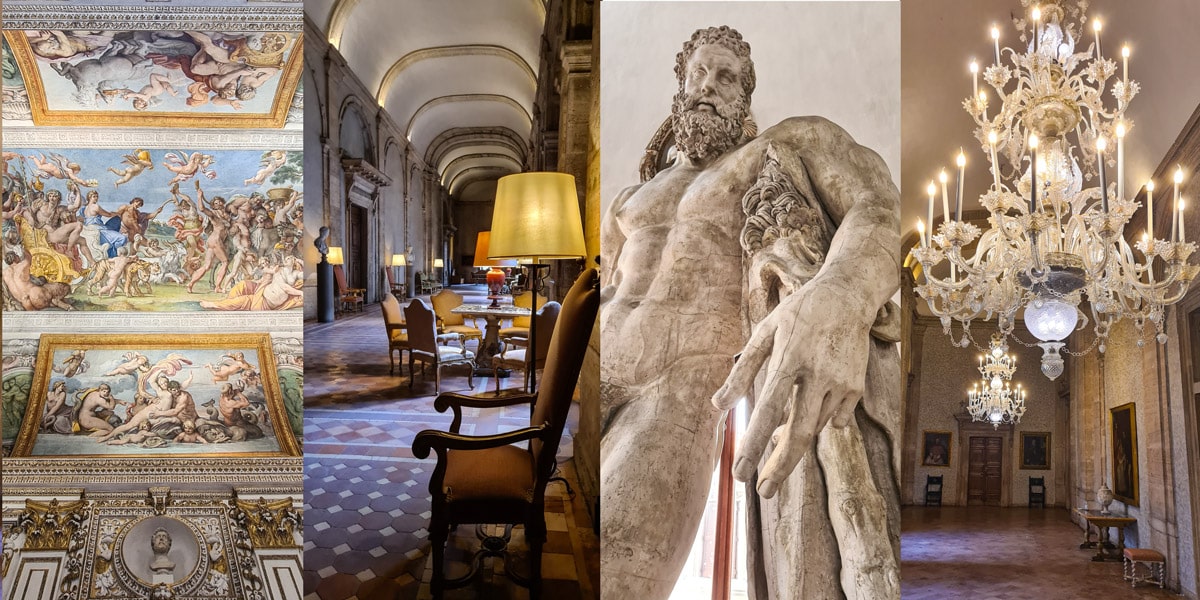
Inside the Palazzo Farnese in Rome
Tickets
  • €15 Adult
  • €0 Child (<6 years)

Buy tickets online:

  • visite-palazzofarnese.it
Opening Hours
Monday: 2:30 PM - 4:30 PM
Wednesday: 2:30 PM - 4:30 PM
Friday: 2:30 PM - 3:30 PM
Address Piazza Farnese, 67, 00186, Rome
Website visite-palazzofarnese.it

Palazzo Farnese in Rome is one of the most stunning examples of Renaissance architecture in the Eternal City.

Located in the heart of Rome, this grand palace serves as the French Embassy and boasts a rich history, magnificent frescoes, and an impressive art collection. While access to the palace is limited, visitors can join guided tours to admire its breathtaking interiors, including the famous Carracci Gallery. In this article, we’ll guide you through everything you need to know about visiting Palazzo Farnese, from booking a tour to what to expect inside.

Contents

Toggle
  • History
  • Interesting Facts
  • How to Visit Palazzo Farnese
  • My Review and Advice
  • Things to Know Before Visiting Palazzo Farnese
    • Where is Palazzo Farnese located?
    • Why is Palazzo Farnese considered important?
    • What are the most famous artworks inside Palazzo Farnese?
    • Can you visit Palazzo Farnese?
    • What is Palazzo Farnese used for today?
  • Best Value Hotels Near Palazzo Farnese
  • Nearby Attractions

History

Palazzo Farnese is one of Rome’s most remarkable Renaissance palaces, commissioned in 1517 by Cardinal Alessandro Farnese, who later became Pope Paul III. Designed by Antonio da Sangallo the Younger, the palace was intended to reflect the wealth and influence of the powerful Farnese family. After Sangallo’s death, the construction was continued by Michelangelo, who added the iconic central window and redesigned the upper part of the façade, enhancing the building’s grandeur. Later, Giacomo della Porta and Vignola contributed to completing the project, making Palazzo Farnese a masterpiece of Renaissance architecture.
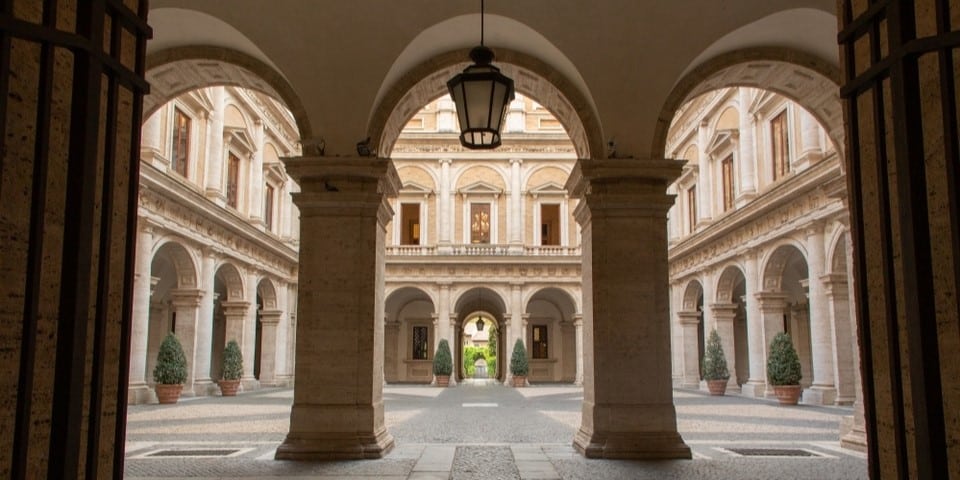
Palazzo Farnese courtyard

During the 16th and 17th centuries, the palace became a center of political and artistic activity, hosting some of the most influential figures of the time. One of its most famous interior decorations is the Carracci Gallery, a magnificent frescoed ceiling painted by Annibale Carracci and his workshop between 1597 and 1608. The frescoes depict scenes of mythological love, inspired by Ovid’s Metamorphoses, and are considered one of the most outstanding achievements of Baroque painting. Other rooms in the palace were adorned by leading artists of the period, including Francesco Salviati and Daniele da Volterra.
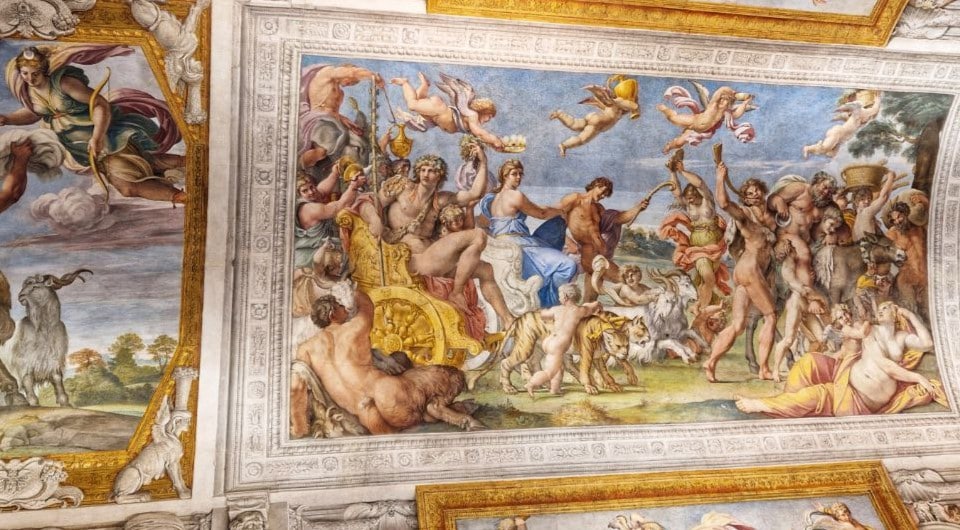
Frescoes inside Palazzo Farnese

In 1635, the palace became the property of the Bourbon kings of Naples, who enriched its art collections and used it as an official residence in Rome. Following Italian unification in the 19th century, Palazzo Farnese was leased to France, and in 1936, it officially became the seat of the French Embassy in Italy. Today, while it remains a diplomatic institution, the palace occasionally opens its doors to visitors through guided tours, offering a rare glimpse into its artistic treasures and centuries of history.

Interesting Facts

  1. Palazzo Farnese was designed by some of the greatest Renaissance architects, including Antonio da Sangallo the Younger, Michelangelo, Vignola, and Giacomo della Porta. Each of them contributed to its grandeur, making it one of the most significant Renaissance palaces in Rome.
  2. When Michelangelo took over the project after Sangallo’s death, he designed the impressive upper cornice of the palace. The weight of this massive ceiling is estimated to be around 300 tons, showcasing Michelangelo’s engineering genius in ensuring its stability.
  3. One of the palace’s greatest artistic treasures is the Carracci Gallery, painted by Annibale Carracci and his assistants between 1597 and 1608. Its mythological frescoes, inspired by Ovid’s Metamorphoses, are considered a masterpiece of Baroque painting.
  4. The palace was originally commissioned by Cardinal Alessandro Farnese, who later became Pope Paul III (1534–1549). His rise to the papacy allowed the palace to expand into the grand residence it is today.
  5. Since 1936, Palazzo Farnese has been home to the French Embassy in Italy. In an unusual agreement, France signed a 99-year lease in 1936, allowing them to rent the palace for just one euro per year.
  6. Before the French took over, the palace was used as the Spanish Embassy in the 17th century. It remained in Spanish hands until the Bourbon kings of Naples claimed it in the 18th century.
  7. The palace houses various ancient sculptures and artifacts, including pieces from the Farnese Collection, one of the most prestigious art collections of the Renaissance. Some of these works are now displayed at the National Archaeological Museum in Naples.
  8. Palazzo Farnese has been featured in numerous films and novels. Its striking Renaissance architecture has become a popular setting for historical dramas and artistic depictions of Rome.
  9. According to legend, there was once a secret underground passage linking Palazzo Farnese to Villa Farnesina, located across the Tiber River. This would have allowed the Farnese family to move discreetly between their properties.
  10. Unlike many historic palaces in Rome, Palazzo Farnese is not open for regular visits. However, guided tours can be booked in advance, offering visitors a rare opportunity to admire its stunning frescoes and architectural splendor.

How to Visit Palazzo Farnese

Visiting Palazzo Farnese is a unique experience, but it requires some planning since the palace is not open for general public access. As someone who has visited, I can share the exact steps to help you secure a spot and know what to expect on the day of your visit.

First, you need to book a guided tour through the official website of the French Embassy in Italy, as it manages access to the palace. Tours are available in multiple languages, including Italian, French, and English, but they are not frequent, so it’s best to reserve well in advance.
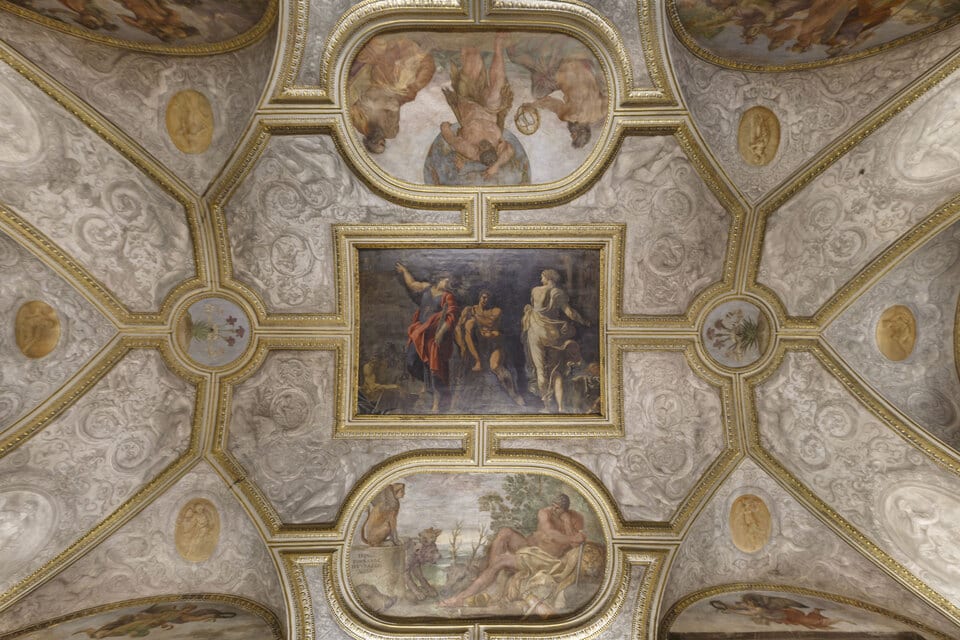
Palazzo Farnese interior

Once you’ve booked, you will receive a confirmation email with details about your visit. It is essential to arrive at least 15-20 minutes before your scheduled tour, as security checks are strict. Since Palazzo Farnese houses the French Embassy, you must bring a valid passport or ID, which will be checked at the entrance. Security staff may also inspect your bags; large backpacks or luggage are not allowed inside.

Tours usually last about 90 minutes and are led by knowledgeable guides who explain the palace’s history, architecture, and artwork. Photography is generally not allowed inside, so be prepared to enjoy the beauty of the palace without taking pictures.
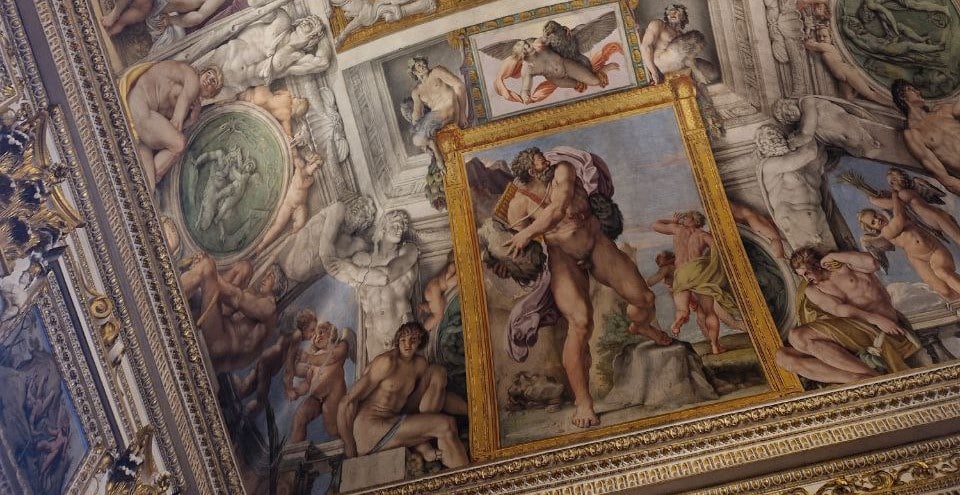
Palazzo Farnese frescoes

If you need to cancel your visit, check the embassy’s cancellation policy in advance. Some tours allow for changes, but last-minute cancellations might not be refundable. Since spots are limited, it’s a good idea to finalize your plans before booking to avoid missing out.

Overall, visiting Palazzo Farnese is a fascinating experience, offering a rare glimpse into one of Rome’s most prestigious Renaissance palaces. If you’re interested in history, architecture, or art, I highly recommend making an effort to secure a tour—you won’t be disappointed!

I also recommend an article about the Regola district in Rome.

My Review and Advice

Visiting Palazzo Farnese was an exceptional experience, and I highly recommend it to anyone who loves history, art, and hidden gems in Rome. The palace’s stunning Renaissance architecture, the breathtaking frescoes of the Carracci Gallery, and the fascinating stories behind its construction make it one of the most impressive historic residences in the city. While access is limited and requires booking, the effort is worth it.

Walking through its grand halls and admiring the masterpieces up close felt like stepping back into an era of power and artistic brilliance. The knowledgeable guides provided incredible insights, making the visit even more engaging. If you’re looking for something beyond the usual tourist attractions in Rome, Palazzo Farnese is a must-see. Just be sure to plan, bring your ID, and enjoy the rare opportunity to explore one of the most beautiful palaces in Italy.

Things to Know Before Visiting Palazzo Farnese

Where is Palazzo Farnese located?

It is in the historic center of Rome, near Campo de' Fiori.

Why is Palazzo Farnese considered important?

It is one of the finest examples of High Renaissance architecture in Rome.

What are the most famous artworks inside Palazzo Farnese?

The frescoes by Annibale Carracci in the Gallery of Carracci are the highlight.

Can you visit Palazzo Farnese?

Yes, but only through guided tours, which must be booked in advance.

What is Palazzo Farnese used for today?

It serves as the French Embassy in Italy.

Best Value Hotels Near Palazzo Farnese

History Suite
11 min
1739 ft
530 m
Boutique Atelier 800
11 min
1804 ft
550 m
Intra Residenza
12 min
1936 ft
590 m
Suitedream Vatican
26 min
4265 ft
1.3 km
Lorenz Suites
28 min
4593 ft
1.4 km
Croce Di Malta
29 min
4692 ft
1.4 km
Hotel Romano
30 min
4856 ft
1.5 km

Nearby Attractions

Galleria Spada
2 min 300 ft 90 m
Campo de' Fiori
2 min 390 ft 120 m
Villa Farnesina
5 min 890 ft 270 m
Ponte Sisto
6 min 920 ft 280 m
Trilussa Square
7 min 1080 ft 330 m
Palazzo Corsini
7 min 1150 ft 350 m
Tiber River
8 min 1350 ft 410 m
Fountain of the Moor
8 min 1380 ft 420 m
Cat Sanctuary Ruins
9 min 1510 ft 460 m
Sant'Agnese in Agone
9 min 1540 ft 470 m

Author: Kate Zusmann

Kate Zusmann

I have lived in the Eternal City for the past 12 years. They say every angle of Rome has its history, and I'm here to tell you about the most intriguing historical facts and city legends. :)

Dive Deeper into Rome's Stories

Fiumicino Airport Terminal 3

25181 views

How to Get from Fiumicino Airport to Rome City Center

Visiting Sistine Chapel

936171 views

Sistine Chapel

The Borghese Gallery and Museum The Ultimate Guide for Visitors

16152 views

The Borghese Gallery and Museum

Vatican Museums Guide

991793 views

The Vatican Museums

The Colosseum

140283 views

Colosseum

Visiting Pantheon in Rome

34816 views

Pantheon

Roman Forum in Rome Italy

45372 views

Roman Forum – Ultimate Guide for Antic History Lovers

What to See in Rome

35727 views

What to See in Rome – TOP 30 Tourist Attractions & Places

Hotels with best views in Rome

16044 views

Hotels with Best Views in Rome

Show more

About us

About us ROME.US Authors Kate Zusmann and Artur Jakucewicz
We're Kate and Artur, a duo bound by our shared fascination with the Eternal City – Rome. Our paths, driven by a mutual passion for its timeless stories and architectural marvels, converged in a way we had never imagined.

Explore Rome

  • Capitoline Museums in Rome

    Capitoline Museums

  • Santa Croce in Gerusalemme

    Basilica di Santa Croce in Gerusalemme

  • Termini – Central Train Station in Rome

    Termini Central Train Station in Rome

  • The Basilica Sant'Andrea delle Fratte Rome

    Sant’Andrea delle Fratte

  • Roman Emperor Commodus

    Emperor Commodus

Rome.us
  • social logo
  • social logo
  • social logo
  • social logo

This website uses cookies. For more info read the cookies policy

Rome.us © 2026. Created with love by Roman experts and guides.
  • Español
  • Deutsch
  • Polski
  • British English