
32523 views
Rome is famous for its ancient monuments and world-class art, but some of the city’s most memorable experiences are quieter, stranger, and easier to miss. This guide focuses on unusual things to do in Rome: underground ruins, eccentric architecture, old legends, local rituals, peaceful green spaces, and offbeat places that show a different side of the Eternal City.
One of the most atmospheric ways to explore Rome after dark is to join a paranormal night walking tour.

A storytelling guide will lead you through some of the city’s darker corners, sharing tales of executions, hauntings, old scandals, and eerie legends connected with popes, emperors, artists, and Roman nobles. Expect a theatrical experience rather than a formal history lecture, with stops in atmospheric backstreets and sites linked to Rome’s more mysterious past.
Another fascinating experience in Rome is visiting the Catacombs of Saint Callixtus, one of the most important early Christian burial complexes in the city.
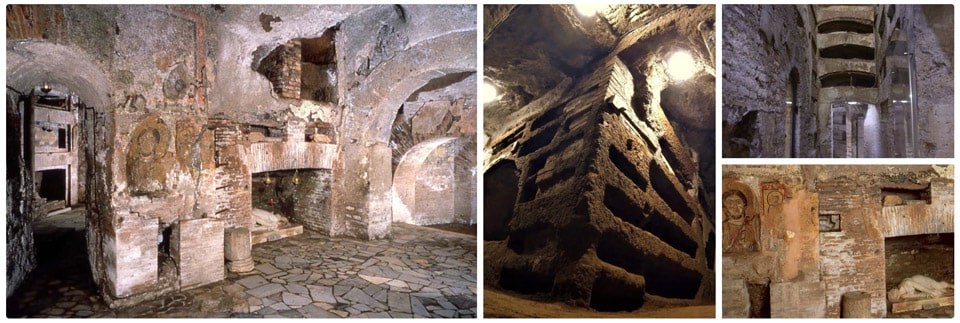
Take a guided tour through ancient underground galleries where early Christians, martyrs, and several popes were laid to rest. Highlights include the Crypt of the Popes, the Crypt of St. Cecilia, and early Christian frescoes that reveal how Rome’s first Christian communities understood death, memory, and resurrection.
Booking a guided visit in advance is recommended, especially during high season.
For travelers who want a social night out, one of the easiest ways to experience Rome’s nightlife is to join a pub crawl in the historic center.

The experience usually begins with a social hour, drinks, and pizza before continuing to bars and clubs around central Rome. With a guide handling the logistics, it is a convenient option if you want to meet other travelers and avoid planning every stop yourself. Schedules, venues, and inclusions can change, so check the current details before booking.
Uncover a hidden layer of the Trevi Fountain by visiting the archaeological area beneath the Trevi district.
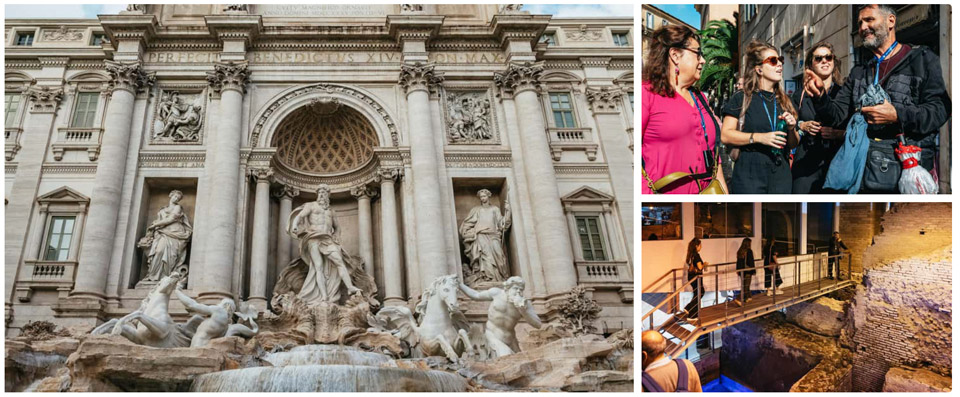
A guided tour takes you to Vicus Caprarius, often called the City of Water. Located more than 9 meters below today’s street level, the site contains remains of an ancient Roman residential complex, water channels, and structures connected with the Aqua Virgo, the aqueduct that still feeds many of Rome’s historic fountains. It is one of the best ways to understand how much of ancient Rome still lies beneath the modern city.
One of the most relaxing unusual things to do in Rome is to rent a rowboat in Villa Borghese.
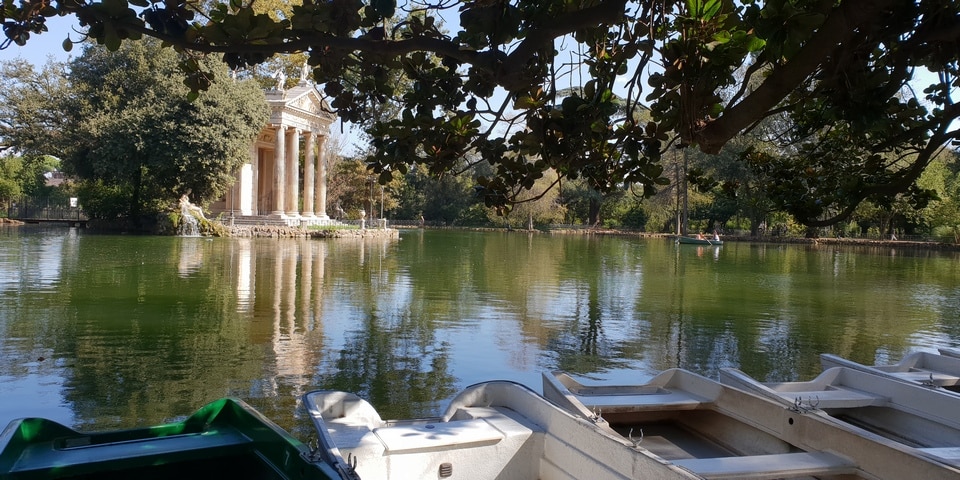
Best known for the Borghese Gallery (Galleria Borghese), the park also offers a quieter escape from traffic and crowds. Rent a small boat on the lake near the Temple of Aesculapius and enjoy a short, peaceful ride surrounded by greenery. Prices, opening hours, and availability may vary by season and weather, so check the details at the boat kiosk before you go.
Another memorable activity in Rome is witnessing the daily tradition of the Janiculum Cannon on Janiculum Hill (Gianicolo).
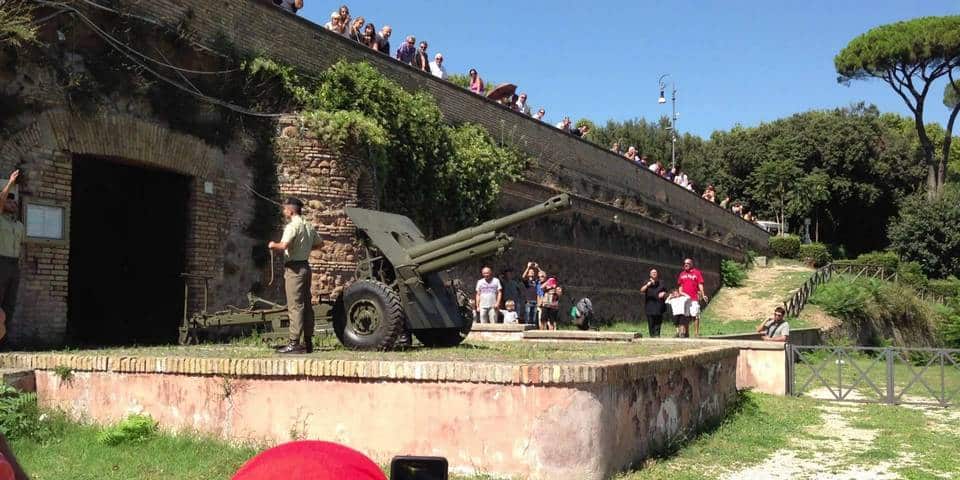
The hill offers one of the best panoramic views of Rome, but its most unusual ritual happens at noon, when a blank cannon shot is fired across the city. The tradition dates back to the 19th century, when Pope Pius IX introduced a single signal to synchronize Rome’s church bells. Arrive a few minutes early, watch the ceremony, then continue down toward Trastevere or join our private walking tour that starts from Janiculum Hill.
If you are looking for unusual architecture in Rome, visit Quartiere Coppedè.
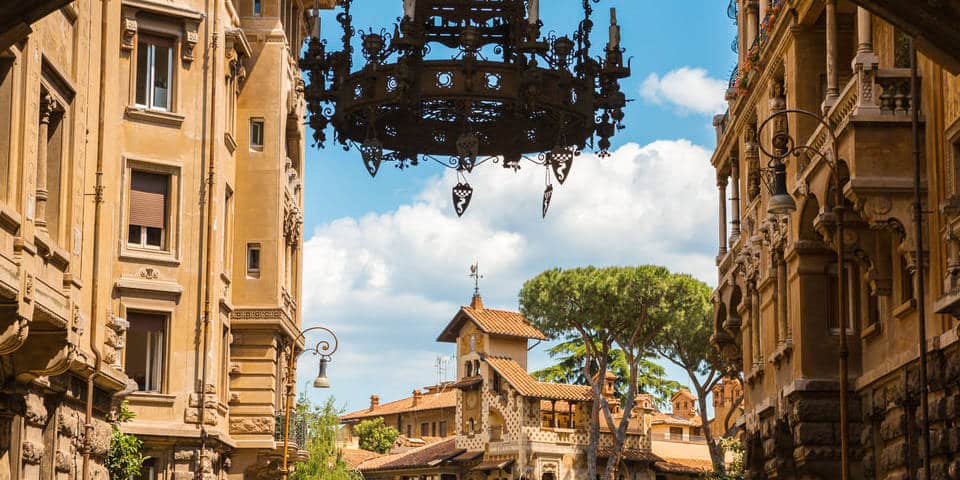
Tucked inside the Trieste district, this small architectural fantasy was designed by Gino Coppedè in the early 20th century. The area mixes Art Nouveau, Baroque, medieval, ancient Greek, and Roman influences into a theatrical urban setting unlike anywhere else in the city. Walk under the ornate arch, look for the Fountain of the Frogs in Piazza Mincio, and take time to notice the mosaics, lamps, balconies, and surreal details on the façades.
Among Rome’s most unusual places is the cat sanctuary at Largo di Torre Argentina.
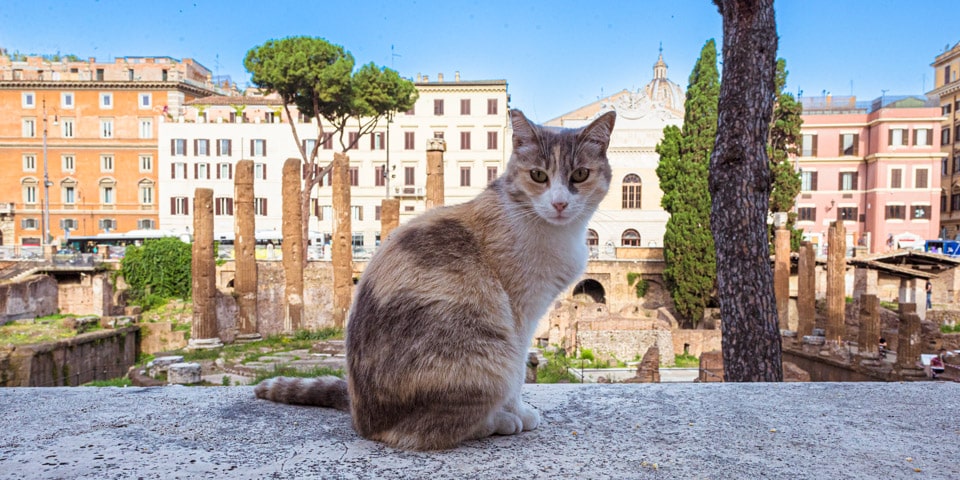
This archaeological area is associated with the assassination of Julius Caesar, but today it is also known for the cats cared for by local volunteers. Visitors can support the sanctuary through donations or distance adoption, which helps fund the cats’ care while providing updates about the animal you sponsor. It is a distinctive stop where ancient history, local activism, and everyday Roman life meet in one place.
Looking for an unusual free activity in Rome? Head to the Knights of Malta Keyhole on Aventine Hill.
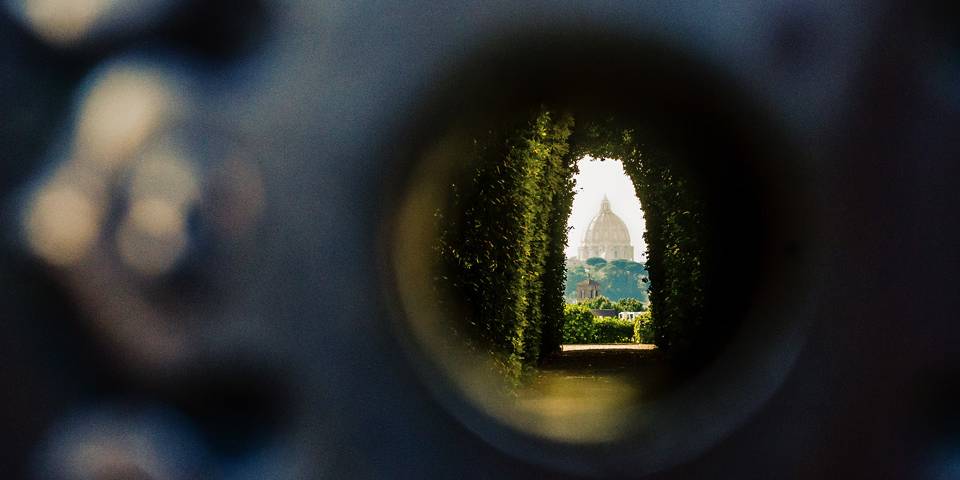
This small keyhole in Piazza dei Cavalieri di Malta frames a perfectly aligned view of St. Peter’s Basilica. The sightline is often described as crossing three jurisdictions at once: the extraterritorial grounds of the Sovereign Order of Malta, Italy, and Vatican City. The line can be long, but the view is quick, free, and genuinely memorable. Discover more free things to do in Rome.
The Mouth of Truth (Bocca della Verità) is one of Rome’s most recognizable legendary sites.
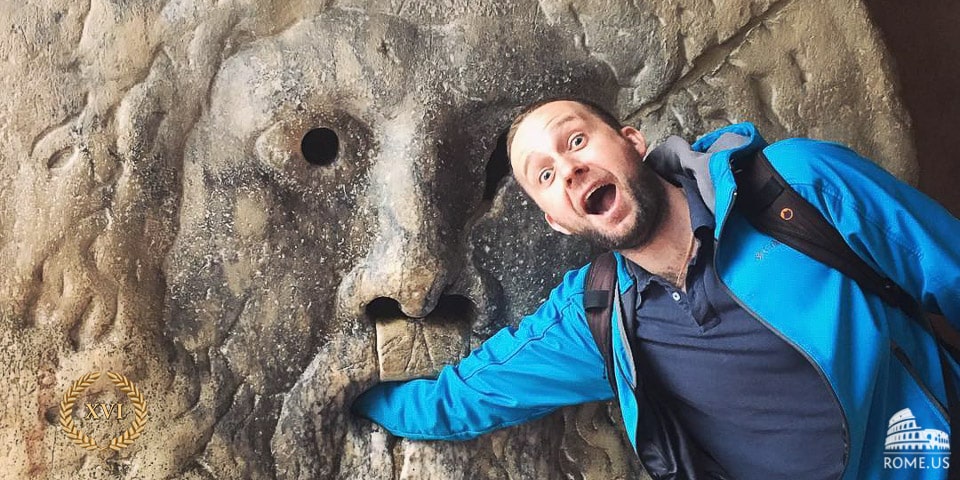
Located in the portico of the Church of Santa Maria in Cosmedin, this ancient marble mask is tied to a medieval legend: it would bite the hand of anyone who told a lie. Today, visitors line up to place a hand inside the mouth and take the classic photo. Learn more about this intriguing site on our page dedicated to The Mouth of Truth.
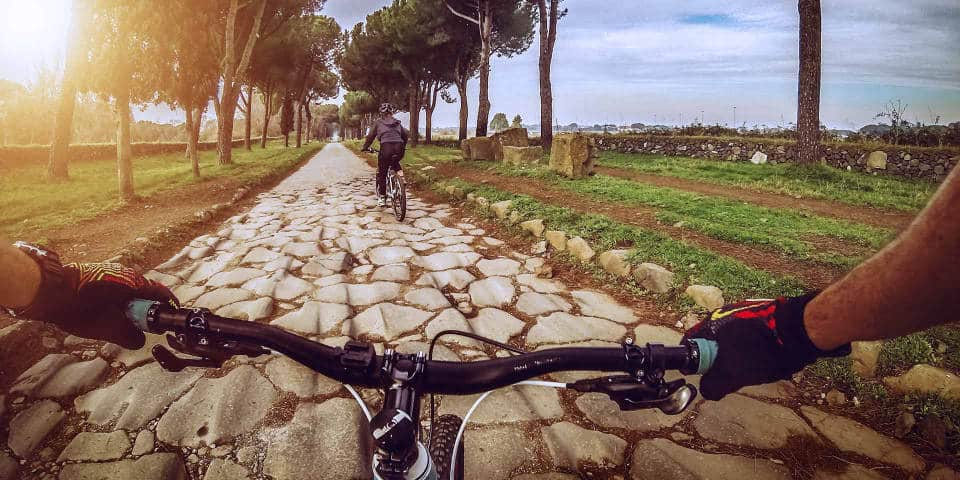
Exploring the Appian Way (Via Appia Antica) is one of the best ways to experience ancient Rome beyond the city center.
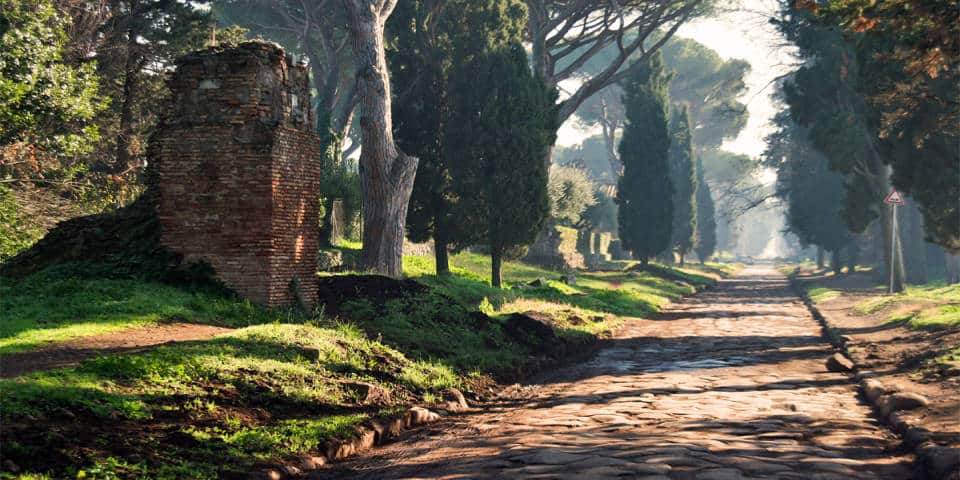
Built from 312 BC onward, the Via Appia became one of the most important roads of the Roman world, linking Rome with southern Italy and, eventually, the wider Mediterranean. Today, the stretch near Rome is ideal for walking, cycling, picnicking, and slow exploration, especially during sunny weather. Along the route, you can see ancient paving stones, funerary monuments, villas, aqueduct remains, and access points to several catacombs.
Among the city’s quirkiest architectural sites is Palazzo Zuccari, known as the Monster House.
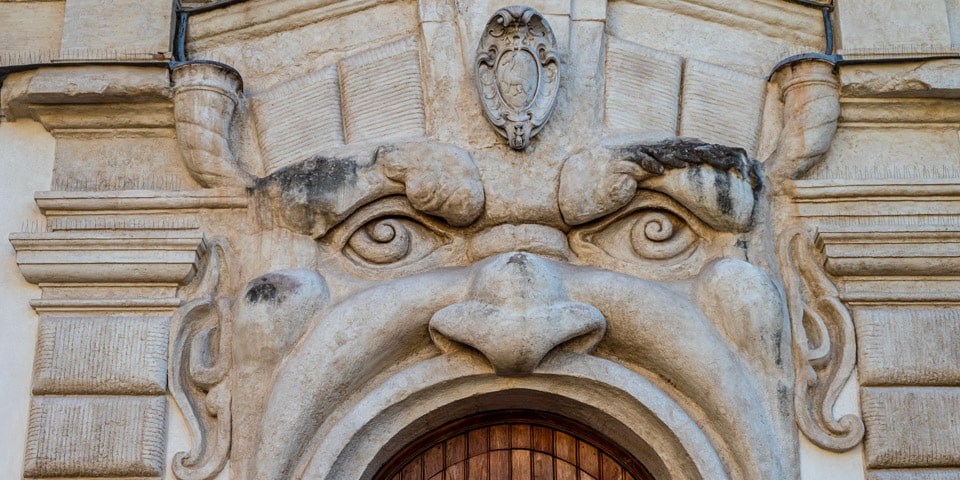
Designed by Federico Zuccari at the end of the 16th century, the building is famous for its dramatic monster-mouth doorway and window frames. The façade makes it one of Rome’s most distinctive photo stops, especially if you are exploring the area around the Spanish Steps. Even if you only see it from the outside, it is a striking example of Rome’s more eccentric artistic imagination.
Another hidden gem is the House of Owls (Casina delle Civette) in Villa Torlonia.
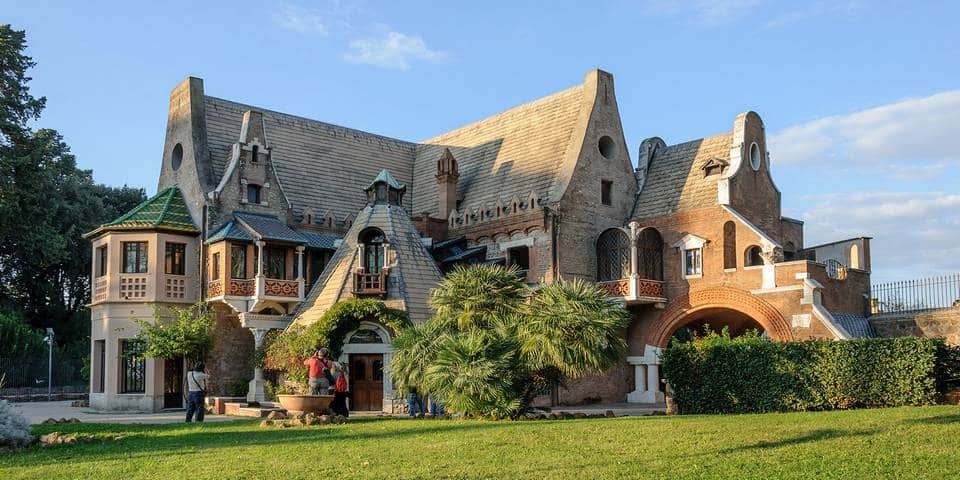
Originally built as a 19th-century Swiss-style hut, the house was later transformed into a whimsical residence with turrets, loggias, majolica decorations, and Art Nouveau details. It became known as the House of Owls because owl motifs appear repeatedly in its stained glass, decorations, and furnishings. Today, it is a small museum dedicated to stained glass and one of the most charming places to visit inside Villa Torlonia.
Rome is full of unexpected places that reveal a more unusual side of the city. From underground archaeology and strange architecture to local rituals, legends, and quiet green spaces, these experiences prove that the Eternal City still has surprises beyond its most famous landmarks.
Rome.us © 2026. Created with love by Roman experts and guides.