
32341 views
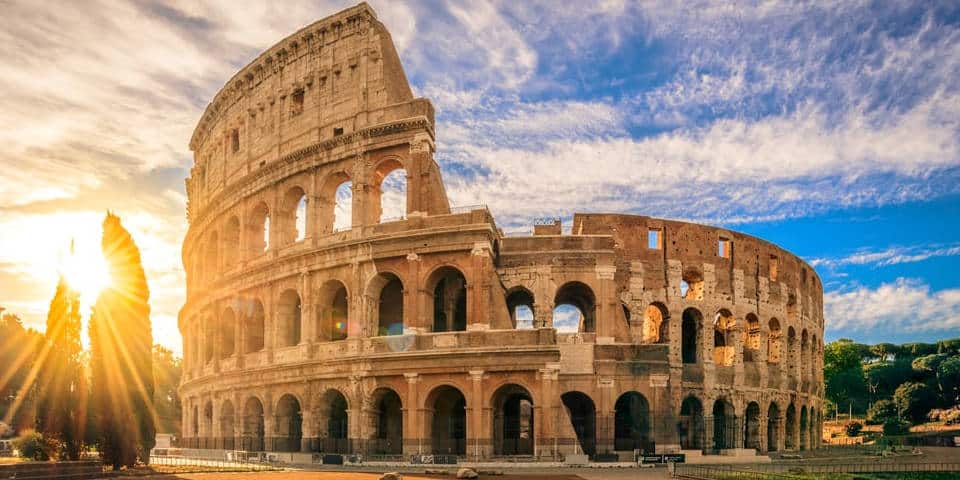
The Colosseum is important because it is the largest and most influential amphitheater of ancient Rome—a building that shaped how mass entertainment, politics, and engineering worked in the Roman Empire. Its formal name is the Flavian Amphitheater. Construction began under Vespasian around AD 72 and the monument was inaugurated under Titus in AD 80 with games said to have lasted 100 days.
The nickname “Colosseum” likely comes less from its size and more from what stood nearby: the Colossus of Nero, a gigantic ancient statue that became a famous local reference point. Over time, the amphitheater took the name that people associated with the area.
Save this on Pinterest!
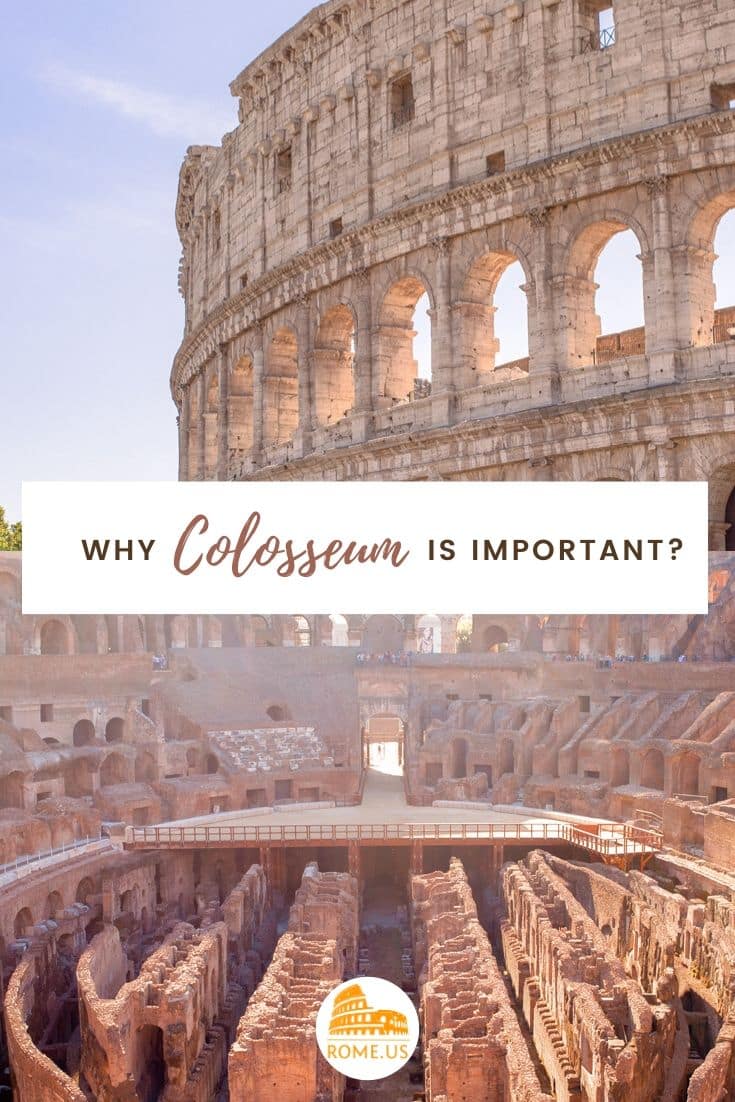
The Colosseum became the empire’s best-known stage for gladiatorial combat and large-scale public spectacles.
What makes the Colosseum truly exceptional is how it combined scale with efficiency. The building was designed to manage enormous crowds through about 80 numbered entrances, ring corridors, and stair systems that funneled spectators directly to their seating tiers. At full capacity, it could hold roughly 50,000–80,000 people, depending on how seating is calculated.
The events inside were equally monumental. Gladiator combats drew the biggest attention, but the program also included wild-animal hunts and staged punishments, featuring animals brought from across the empire. Many spectacles were offered as public entertainment, and in various periods admission was free, funded as a political statement of imperial generosity.
If you want a quick list of bite-sized highlights—engineering details, surprising numbers, and lesser-known stories—read more at Colosseum facts.
Rome.us © 2026. Created with love by Roman experts and guides.