
32538 views
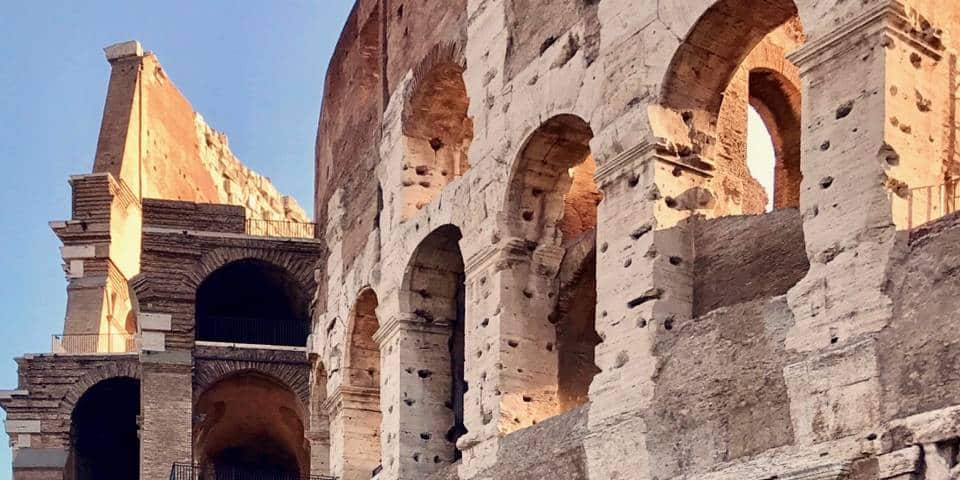
The Roman Colosseum is covered in “mysterious” holes, but most of them are not a mystery at all. They are the scars of systematic stone-robbing after antiquity, when the monument stopped functioning as an arena and gradually became a convenient quarry.
Many of the holes were left behind when people pried out the iron clamps and metal fittings that once held the structure and its decorative elements together.
During construction, the builders connected heavy travertine blocks with iron clamps and dowels set into carved pockets. Those metal ties helped lock masonry courses together and secure architectural elements without relying on thick mortar joints. When Rome’s population and resources declined after the empire’s peak, iron became valuable. Over time, workers chiseled into the stone to extract the metal—often leaving the familiar rectangular or wedge-like cavities you can still see across the walls.
Other holes reflect a second wave of reuse. The Colosseum once had extensive marble revetment and decorative stonework. As centuries passed, much of that material was stripped away and reused elsewhere in Rome. Travertine blocks and marble from the amphitheater contributed to later construction projects, including major church and palace building campaigns in the Renaissance and beyond—among them work connected to St. Peter’s Basilica.
Natural disasters also played a role. Strong earthquakes—especially medieval shocks—damaged the structure and caused major collapses. Once large sections fell, they became even easier to dismantle and cart away. In other words, earthquakes weakened the building, but people removed what was left usable and left the “pockmarks” behind.
If you want the bigger picture—from its construction under the Flavians to abandonment, reuse, and modern conservation—read the full timeline at Colosseum.how
Rome.us © 2026. Created with love by Roman experts and guides.